

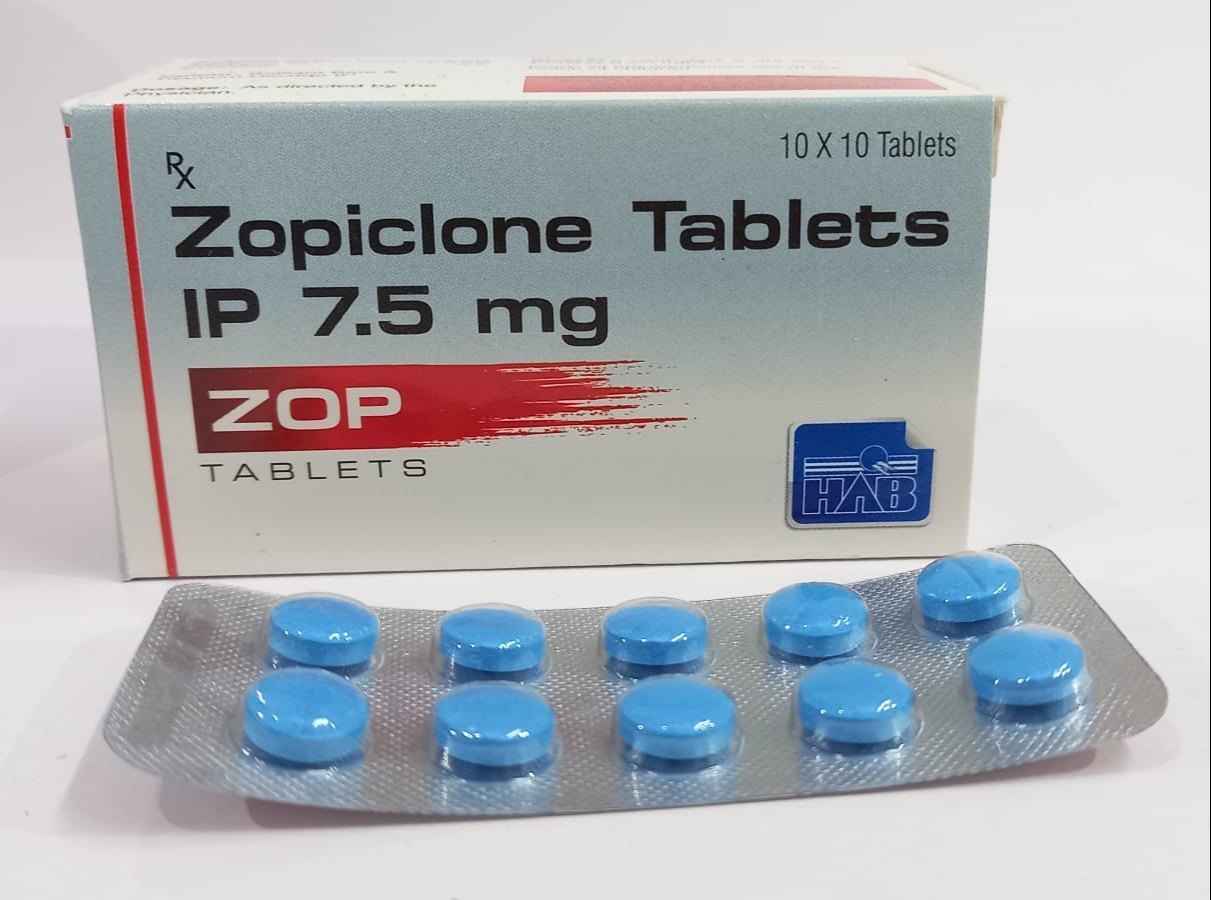
Zopiclone 7.5 mg is one of the most commonly prescribed short-term treatments for insomnia. It belongs to a class of medicines known as non-benzodiazepine hypnotics (“Z-drugs”) and is designed to help people fall asleep faster and stay asleep longer.
While it can be effective, it also carries important risks—especially when used for longer periods or without medical supervision. This article provides a balanced, research-informed overview of its benefits and risks for sleep disorders.
What is Zopiclone 7.5 mg?
Zopiclone is a sedative-hypnotic medication that acts on the brain’s GABA system, enhancing calming neurotransmitter activity and promoting sleepiness.
Clinically, it is used for short-term management of insomnia, including:
- Difficulty falling asleep
- Frequent night-time awakenings
- Early morning waking
- Severe sleep disruption linked to stress or mental health conditions
It typically begins working within about 30–60 minutes and helps reduce sleep latency while increasing total sleep time.
Benefits of Zopiclone 7.5 mg for Sleep Disorders
1. Faster Sleep Onset
Zopiclone can significantly reduce the time it takes to fall asleep, especially in acute insomnia triggered by stress or life changes.
2. Improved Sleep Duration
It helps increase total sleep time by reducing night-time awakenings and improving sleep continuity.
3. Short-Term Relief in Severe Insomnia
In cases of short-term or situational insomnia, it may provide relief when sleep deprivation becomes distressing or disabling.
4. Rapid Action
Because it works quickly in the brain, it is often taken shortly before bedtime and begins acting within an hour.
Risks and Side Effects
Despite its benefits, zopiclone is not a harmless sleep aid.
1. Dependence and Addiction Risk
One of the most important risks is physical and psychological dependence. The risk increases with:
- Higher doses
- Daily or long-term use
- History of anxiety, depression, or substance use
Stopping suddenly after prolonged use can cause withdrawal symptoms like rebound insomnia, anxiety, tremors, and irritability.
2. Cognitive and Next-Day Effects
Common side effects include:
- Drowsiness the next day
- Bitter or metallic taste
- Reduced alertness or slowed reaction time
This can affect driving, work performance, and decision-making.
3. Memory and Behavior Changes
Some people experience:
- Short-term memory problems
- Confusion or poor concentration
- Unusual behaviors during sleep (rare cases)
These effects are more likely at higher doses or when combined with alcohol or other sedatives.
4. Mental Health Effects
Less commonly, it may contribute to:
- Mood changes
- Irritability or agitation
- Rare hallucinations or depressive symptoms
5. Tolerance Over Time
With repeated use, the body may adapt, meaning:
- The same dose becomes less effective
- Higher doses may be needed (which increases risk)
This is why long-term use is generally discouraged.
Important Medical Warning: Short-Term Use Only
Most clinical guidelines recommend zopiclone for short-term use only (usually 2–4 weeks).
It is not intended as a long-term solution because insomnia is often linked to underlying causes such as:
- Anxiety or chronic stress
- Poor sleep habits
- Depression
- Circadian rhythm disruption
Treating sleep long-term usually requires addressing these root causes rather than relying on sedative medication.
Zopiclone and Online Searches (Important Safety Note)
People sometimes search phrases like “zopiclone 7.5 mg buy online uk”, but it is important to understand:
- Zopiclone is a prescription-only medication in the UK and many other countries
- Buying it online without a prescription can be illegal and unsafe
- Unregulated sources may contain counterfeit or incorrect dosages
- Misuse increases risk of dependence, overdose, and adverse effects
Always use it only under the supervision of a qualified healthcare provider.
Who Should Be Extra Cautious?
Zopiclone should be used with caution in people who:
- Have a history of substance or alcohol dependence
- Have depression or other psychiatric conditions
- Are elderly (higher risk of falls and confusion)
- Use other sedating medications
Safer Alternatives for Managing Sleep Disorders
For long-term improvement, doctors often recommend:
- Cognitive Behavioral Therapy for Insomnia (CBT-I)
- Sleep hygiene improvements (consistent sleep schedule, reduced screen time)
- Stress and anxiety management techniques
- Treating underlying medical or psychological conditions
These approaches are considered more effective long-term than sleeping pills.
Conclusion
Zopiclone 7.5 mg can be effective for short-term relief of insomnia by improving sleep onset and duration. However, its benefits must be carefully weighed against significant risks, including dependence, tolerance, cognitive impairment, and withdrawal effects.
It should be seen as a temporary support tool rather than a long-term sleep solution. Safe use always requires medical supervision and a broader plan to address the root cause of sleep disturbance.
